"Culture Fit" Is the Biggest Trap in Vietnamese Recruitment
"Not a culture fit" has become the bias trash can of Vietnamese hiring. Here's a 3-layer framework that turns culture fit into measurable criteria, not gut calls.

Knoot Admin
May 17, 2026
Content
“Culture Fit” Is the Biggest Trap in Vietnamese Recruitment
Why “culture fit” became such a sweet trap
“Culture fit” = the bias trash can
Recruiters lose the right to push back
Candidates pay with time, companies pay with opportunity
How to break out: the “3 Layers of Culture” framework
Layer 1: Values — the non-negotiables
Layer 2: Working Style — how the team operates
Layer 3: Operating Rhythm — the surface habits
The non-negotiable rule
The Knoot Angle
“Culture Fit” Is the Biggest Trap in Vietnamese Recruitment
Every Vietnamese recruiter has heard this line: “Strong CV, but… not really a culture fit.”
Ask what “culture” means. The hiring manager pauses for three seconds, then says: “Just… not the team’s vibe.”
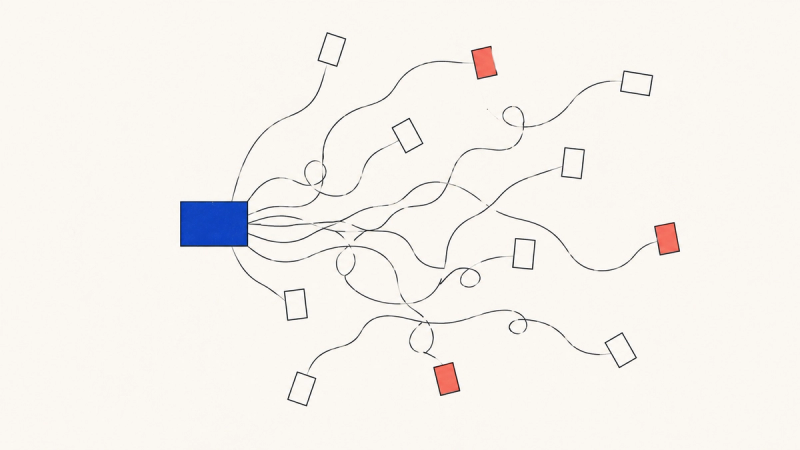
In Vietnam, “culture fit” is the most-used and least-defined phrase in recruitment. It sounds polished. It feels professional. It looks like Western HR best practice. But most of the time, it’s a label slapped on a decision the decision-maker never bothered to think through.
“Culture fit” isn’t a filter. It’s the dumping ground for every bias nobody wants to say out loud.
---
Why “culture fit” became such a sweet trap
Recruitment needs clear criteria. JDs spell out hard skills — Java, React, budgets, KPIs. Measurable. Debatable. Provable.
Culture?
Nobody bothers to define it. Everyone uses it to reject. That’s where the trap snaps shut.
“Culture fit” = the bias trash can
When you don’t have to write it down, “not a culture fit” becomes a one-size-fits-all excuse for:
- Candidate older than the manager.
- Female candidate in an all-male team.
- Candidate from a province, not Hanoi or Saigon.
- Candidate who didn’t smile enough in round one.
- Candidate who asked about overtime during the interview.
None of those are culture. All of those are bias — just bias in a nicer outfit.
Recruiters lose the right to push back
When the hiring manager says “not a culture fit”, the recruiter has nothing to argue with. Culture isn’t in the JD. Culture has no metric. Culture is “a feeling”.
The result: strong candidates get cut for a reason the hiring team itself can’t articulate.
And the pipeline stays empty.
Candidates pay with time, companies pay with opportunity
A candidate reaches round three. Strong technical signal. Strong attitude. Then gets cut with “not our vibe”.
That candidate never applies again. The team still hasn’t closed the role two months later. The hiring manager will use “culture fit” again next time.
This loop isn’t an accident. It’s the product of a concept that was never forced to define itself.
---
How to break out: the “3 Layers of Culture” framework
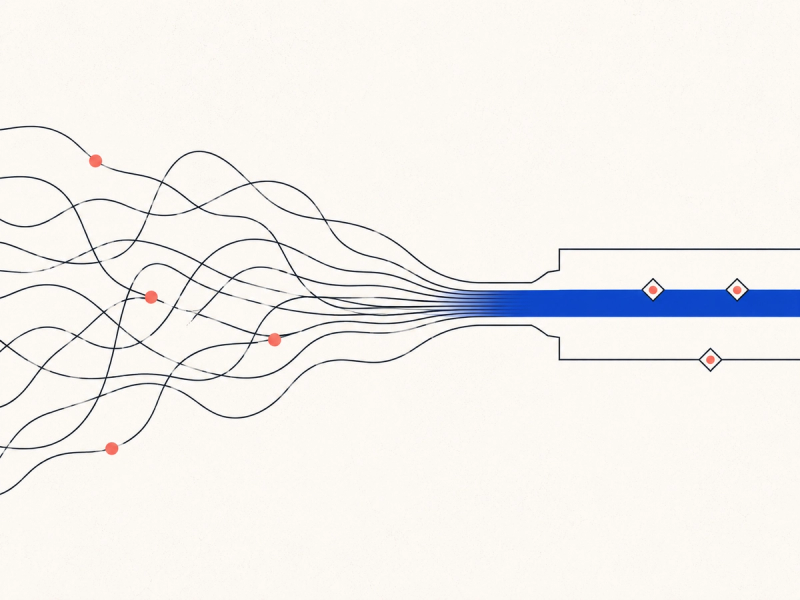
Culture isn’t a feeling. Culture is a specific set of behaviors the team has agreed to do or not do.
If you can’t write it down, it doesn’t exist — it’s just the hiring manager’s personal preference.
Here’s how to break culture into three measurable layers:
Layer 1: Values — the non-negotiables
The deepest layer. What the team will never compromise on.
Specific examples (not “teamwork” filler):
- Direct feedback — no detours, no go-betweens.
- End-to-end ownership — no “that’s not my job”.
- Customer obsession — willing to kill a feature users don’t need.
If the hiring manager can’t write three values at this depth, you don’t have Layer 1 yet. Don’t let them use “culture fit” before they’ve done this homework.
Layer 2: Working Style — how the team operates
The middle layer. How work actually flows day to day.
- Move fast, fix fast — no five meetings to lock one decision.
- Async-first — write the doc first, meet second.
- English in code review, local language in standups.
This layer is partially negotiable. A strong candidate can learn a new working style — if Layer 1 already matches.
Layer 3: Operating Rhythm — the surface habits
The shallowest layer. Day-to-day routines.
- Standup at 9, not 10.
- Team lunch on Fridays.
- No Slack after 7pm.
This is where most Vietnamese recruiters get tripped up. Layer 3 is not culture fit. It’s daily rhythm — and most candidates adapt to it in two weeks.
If the hiring manager rejects a candidate at Layer 3, that’s not “culture mismatch” — that’s lunch-schedule mismatch. Different problem.
The non-negotiable rule
Each layer needs specific criteria, clear weights, and a way to verify it.
Without those three, “culture fit” slides right back into being the bias trash can.
---
The Knoot Angle
A JD is a wish list. To screen properly, it has to become measurable criteria — including the culture parts.
This is exactly where Knoot’s JD Analyzer earns its place. JD Analyzer breaks the JD into must-have, nice-to-have, and bonus, each with a weight. The recruiter keeps full edit and override rights.
More importantly, it forces the hiring manager to actually say what “culture” means:
- Which values are deal-breakers, non-negotiable?
Content
“Culture Fit” Is the Biggest Trap in Vietnamese Recruitment
Why “culture fit” became such a sweet trap
“Culture fit” = the bias trash can
Recruiters lose the right to push back
Candidates pay with time, companies pay with opportunity
How to break out: the “3 Layers of Culture” framework
Layer 1: Values — the non-negotiables
Layer 2: Working Style — how the team operates
Layer 3: Operating Rhythm — the surface habits
The non-negotiable rule
The Knoot Angle