Offer Accepted Isn't a Win. It's the Start of the Riskiest Stretch.
Nearly one in three candidates back out after accepting your offer — usually to a counter. The 3 Lights framework shows who's going cold before day one.

Knoot Admin
September 03, 2026
Content
Why "offer accepted" is the number you lie to yourself with
The gap between "accepted" and "day one"
The counter-offer arrives the second you let go
Some candidates accept as insurance
The "3 Lights" framework for the Silent Zone
The 3 Lights
Light 1 — The Silence light: how long since you touched base?
Light 2 — The Counter light: have they resigned yet?
Light 3 — The Countdown light: how many days to start date?
The Knoot Angle
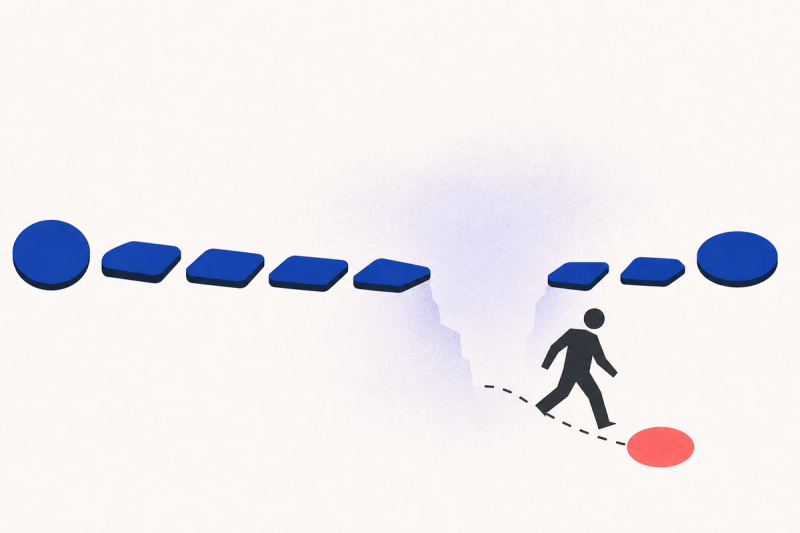
The candidate messages: "I accept — thank you." You react with a heart, close the req, tell the hiring manager it's done. In your head: one role off the board.
Three weeks later, the Monday they're supposed to start, another message lands: "I'm so sorry. I've decided to stay where I am."
An accepted offer isn't the finish line. It's the starting gun for the riskiest stretch of the whole process.
And most recruiters aren't watching that stretch at all.
Why "offer accepted" is the number you lie to yourself with
There's a moment every recruiter loves: the candidate clicks accept. You exhale, you celebrate, you move your attention to the next req. That's the mistake.
The gap between "accepted" and "day one"
From accepted to start date is usually a 2–6 week notice period. What do you do in those weeks? Usually nothing.
The candidate drops off your radar. You assume they're locked. Their current employer doesn't assume that at all.
You close a Senior Backend after five rounds, an offer 15% over market. They accept. You close the req. Twenty-one silent days, not a word. Onboarding morning: an empty chair. The pipeline's gone cold, and you're back to zero.
The counter-offer arrives the second you let go
The candidate resigns. Their old boss panics. Next day: a raise, a title bump, "please don't go."
This is the moment your offer gets renegotiated — and you're not in the room for it.
You thought you won two weeks ago. The match had only just started.
Some candidates accept as insurance
Plenty of candidates, younger ones especially, accept your offer as a safety net and keep interviewing anyway.
Your offer is the backup plan, not the first choice. You're the safe bet — right up until a better one shows up.
Recruiters count "accepted" like it's a hire. But an offer that hasn't survived to day one is just a promise. And promises are cheap.
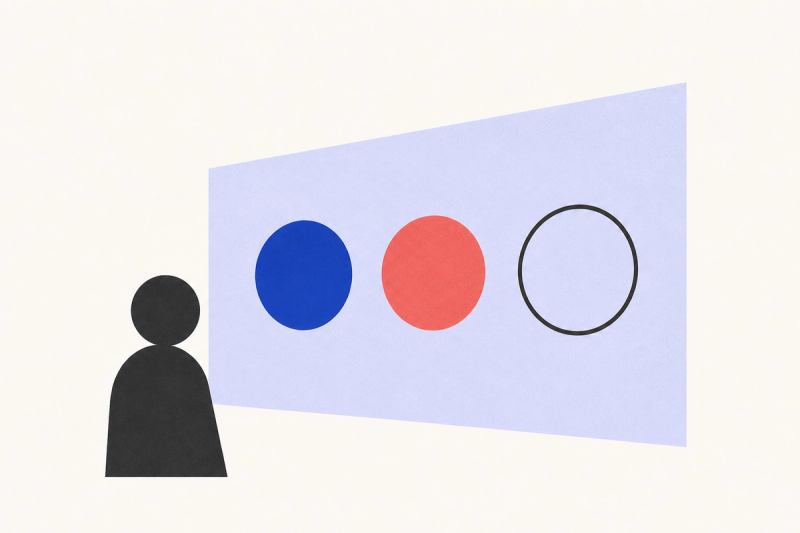
The "3 Lights" framework for the Silent Zone
You can't stop counter-offers from existing. You can stop yourself from vanishing at the exact moment the candidate most needs to see you.
The Silent Zone — accepted to day one — deserves to be tracked like a real stage, not a box you already ticked. Three lights should be on your board every morning:
The 3 Lights
Light 1 — The Silence light: how long since you touched base?
Track the last time you contacted an accepted candidate. More than 5–7 days of nothing is red.
Silence isn't fine. Silence is where the counter-offer sneaks in. One small question, an onboarding date, a team intro — anything that says you're still here.
Light 2 — The Counter light: have they resigned yet?
The biggest risk lives in the fact that they haven't quit the old job yet. No resignation submitted means the door is still open for the old boss.
Ask it plainly, gently: "Have you told your current company? Anything I can do to help with the handover?" Only when they've resigned and it's been accepted does this light turn green.
Light 3 — The Countdown light: how many days to start date?
The closer to day one, the more each silent day costs. The final week before the start date should be your densest week of contact, not your thinnest.
Confirm the time, the place, who greets them, the equipment. A first day they can already picture is harder to walk away from than a vague one.
All three lights run on a three-column Google Sheet. The tool was never the problem — whether you look at it every morning is.
The Knoot Angle
In hiring, what kills the most deals isn't the big mistake — it's the quiet stretch nobody is looking at.
That's why Knoot's Activities Dashboard is built in the present tense, not the past. Every candidate in the Silent Zone shows up on one screen: who just accepted, who's near their start date, who hasn't been touched in too long. It updates in real time, so a candidate going cold doesn't sink beneath a dozen other reqs. You see the thing about to slip before it slips, instead of reading about it in next week's report.
The dashboard doesn't message for you and doesn't keep anyone for you. It just makes sure no one falls out of sight during the stretch you tend to forget.
Accepted isn't the finish line. Day one is.
Content
Why "offer accepted" is the number you lie to yourself with
The gap between "accepted" and "day one"
The counter-offer arrives the second you let go
Some candidates accept as insurance
The "3 Lights" framework for the Silent Zone
The 3 Lights
Light 1 — The Silence light: how long since you touched base?
Light 2 — The Counter light: have they resigned yet?
Light 3 — The Countdown light: how many days to start date?
The Knoot Angle