Fake Candidates: Check the Source, Not the CV
Fake candidates now pass video interviews. The O-T-V check helps you audit where a profile came from before you audit the CV. No new tools needed.

Knoot Admin
August 10, 2026
Content
Why reading the CV more carefully won't save you
Fabricated profiles don't have typos anymore
The video call stopped being proof
You're verifying content, not people
Name it: the orphan profile
A scenario you'll recognize
The O-T-V check: source before skills
Origin — which door did this profile walk through?
Trail — did this person exist before today?
Vouch — is there a real human behind this?
The Knoot Angle
Before you send that shortlist, there's a question most recruiters skip: where did this person come from?
Not which school. Not which company. How did this profile land in front of you?
The honest answer is usually a job board. A cold apply. A recruiter group chat with four thousand members you've never met.
That used to be a formality. It isn't anymore. A complete identity — CV, LinkedIn, portfolio, and a face that shows up on the call — can be assembled in an afternoon.
Fake candidates aren't a security team's problem. They're this week's screening problem.
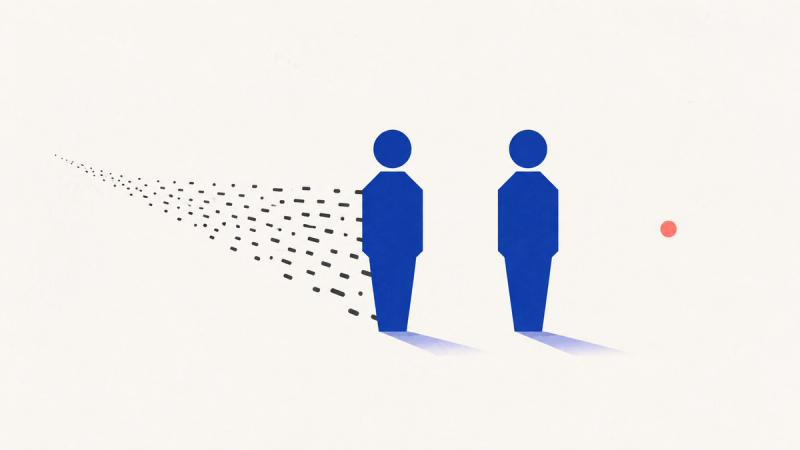
Why reading the CV more carefully won't save you
The instinct, when someone says "fake candidate", is to read the CV harder.
That instinct is wrong. Not because you read badly, but because you're looking at the wrong object.
Fabricated profiles don't have typos anymore
Fakes used to break on details. Broken timelines. Wrong company names. Job descriptions that could apply to anyone.
Not now.
- Timelines line up.
- Tech stack lines up.
- Projects sound plausible.
- The writing reads human.
You can't catch the error because the error isn't there.
The video call stopped being proof
A 45-minute call used to settle it. A face, a voice, a reaction time.
All three can now be hired, generated, or coached from just outside the frame.
The unsettling part isn't being fooled. It's having no way to know whether you were.
You're verifying content, not people
Reference checks call the number the candidate gave you.
The portfolio lives at the link the candidate gave you.
LinkedIn shows 500 connections and you don't know a single one of them.
Your entire verification loop runs on data the candidate supplied. That's not verification. That's rereading.
Name it: the orphan profile
Most CVs in your inbox are orphan profiles — no known source, nobody vouching, no history before the day they appeared.
Clean CV = checkable.
Clean LinkedIn = checkable.
Real human = nobody checks.
A scenario you'll recognize
Senior Backend Java, remote, offer needed in two weeks.
The profile comes from a job board. Three rounds online. Camera's a bit blurry, but everyone's busy, so nobody asks. Take-home comes back strong. Two reference numbers pick up and say all the right things.
Week one is fine. Week three, the code doesn't match the person who passed the technical round. Week five, you realize the person doing the work isn't the person you interviewed.
No step in the process failed. The process just never asked where the profile came from.
The O-T-V check: source before skills
No expensive tooling required. Just a different order of questions.
Before you ask "is this candidate good?", ask "is this candidate real?" That question has three layers.
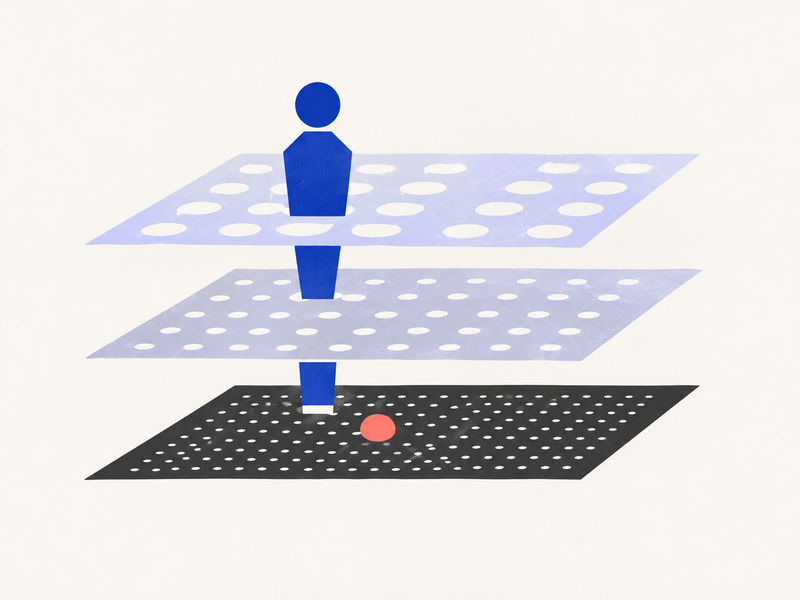
Origin — which door did this profile walk through?
Score the source, not the CV.
- Internal referral: highest.
- Recruiter you know: high.
- Identified community: medium.
- Cold job board apply: lowest.
A low-trust source doesn't mean a fake profile. It means that profile earns more scrutiny, not less.
You budget screening time by source confidence, not by how polished the CV looks.
Trail — did this person exist before today?
Real people leave residue spread across time. Built identities are thin and recent.
Look at:
- Account age.
- Activity spread, not bursts.
- Who mentions them, where.
- Traces outside candidate-supplied links.
A messy three-year footprint beats a flawless three-month one every time.
Vouch — is there a real human behind this?
Hardest layer to build. Also the hardest to fake.
The question isn't "did they provide references?" It's has anyone you trust actually worked with this person?
- A recruiter you know interviewed them.
- A former hiring manager had them in pipeline.
- A note from last year's search.
One line from someone you trust outweighs a perfect dossier from a stranger.
All three layers run on a spreadsheet. What you're missing isn't technology. It's the habit of recording where people came from.
The Knoot Angle
Candidate verification isn't a technology problem. It's a relationship problem. You don't need an algorithm to inspect a face — you need to know who met this person before you did.
That's the reason Talent Community exists inside Knoot. Profiles there don't fall out of the sky. They come from other recruiters, with a shared history and community feedback attached to the candidate. Before you unlock anything, you see a structured profile and an AI Candidate Summary, while the original CV and personal details stay hidden until you actually need them.
Put simply: every profile has a root, and someone real is standing at that root.
Recruitment has always been people cooperating with people. Knoot just makes that cooperation work at scale.
A CV can be invented. A history can't.
Content
Why reading the CV more carefully won't save you
Fabricated profiles don't have typos anymore
The video call stopped being proof
You're verifying content, not people
Name it: the orphan profile
A scenario you'll recognize
The O-T-V check: source before skills
Origin — which door did this profile walk through?
Trail — did this person exist before today?
Vouch — is there a real human behind this?
The Knoot Angle