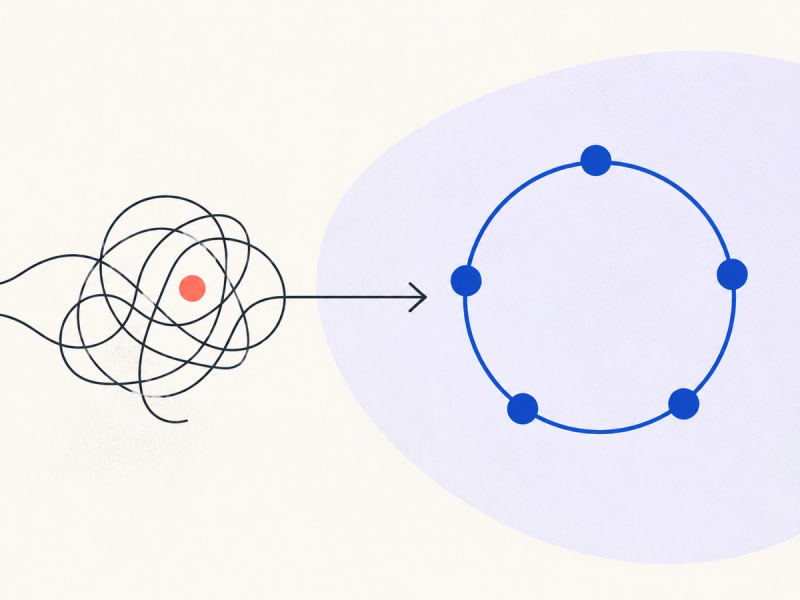
Point Economy in Recruitment: Fair CV Exchange Model
Recruiters already share CVs informally — but goodwill isn't a system. Here's how a point economy makes CV exchange fair, trackable, and worth doing.
Knoot Admin
Knoot Admin
July 22, 2026
Here's something outsiders never see: recruiters already run an underground CV exchange.
Facebook groups. Zalo groups. DMs that go "got any Java CVs? I'll owe you one."
The currency is goodwill. And goodwill economies all collapse the same way.
Not because recruiters are selfish. Because memory is the worst accountant in the world. You remember every CV you gave away. Nobody else does.
Giving is guaranteed. Getting back is a coin flip.
This post is about the missing piece — not more generosity, not a bigger network. A ledger.
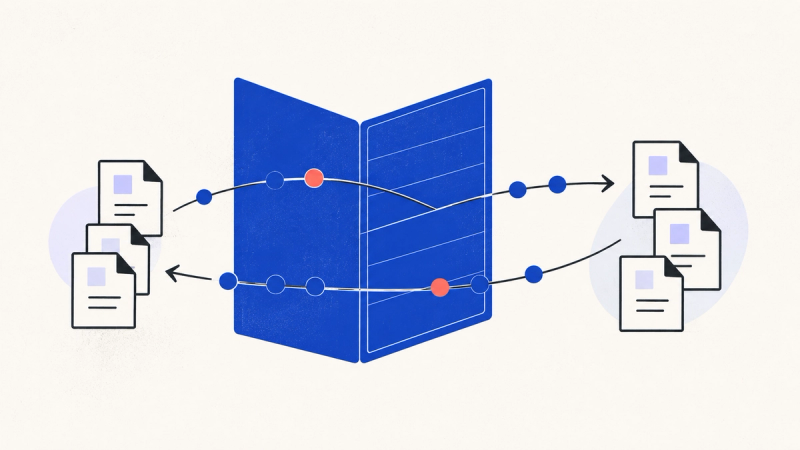
Why the goodwill economy burns its best contributors first
The recruiters who give the most are the ones who get burned the hardest. That's not bad luck. It's how the system is designed — or rather, how it isn't.
Nobody keeps score
An informal sharing group is a bank with no ledger. Deposits happen. Withdrawals happen. Nobody knows the balance.
The people who deposit the most just quietly subsidize everyone else.
Freeloaders win by design
- Asking: instant.
- Giving back: "next week."
- Thanks: sure.
- Repayment: never.
In a trust-based system, whoever exploits trust profits most.
Sharing means losing control
Send a CV file and you've also sent the candidate's phone number, email, and current employer. You don't know where that file gets forwarded. Neither does the candidate.
Your act of generosity becomes someone else's privacy problem.
Value gets counted once
One strong CV you share might fill five roles over a year. You get thanked once. The first time.
The scenario every recruiter knows: in March, you drop 15 solid Java profiles into a 2,000-member group. In June, you need one B2B Sales CV within 48 hours. You post. Two likes. Zero CVs.
You don't lack a network. You lack a system that remembers on your network's behalf.